



Buying a home is one of the biggest decisions you'll ever make, and once you've got the keys in hand, a whole new set of questions tends to show up right behind them. What happens if the roof leaks? What if the refrigerator quits working two months after closing? Who pays when the water heater goes out? These are fair questions, and the answers depend on something most people don't spend much time thinking about until they need it: the difference between a home warranty and homeowner's insurance.
They sound similar. They're both forms of protection for your home. But they're built for completely different situations, and understanding the difference could save you a lot of stress — and money — down the road.
Homeowner's Insurance: Protection Against the Unexpected
Think of homeowner's insurance as protection against things you never saw coming and couldn't have prevented. A tornado. A house fire. A tree falling through your living room. Someone breaking in and stealing your belongings. A guest slipping and injuring themselves on your property.
Homeowner's insurance is designed for sudden, accidental events — things we typically call "perils." If your home suffers damage from a covered peril, your insurance policy steps in to help pay for repairs or replacement, up to the limits of your policy and minus your deductible.
Most standard homeowner's policies cover:
Damage from fire, smoke, and lightning. Wind and hail damage. Theft and vandalism. Damage from certain water events, like a pipe suddenly bursting inside your home. Personal liability, meaning if someone is hurt on your property and sues you, your policy may help cover legal costs and damages. Additional living expenses if your home becomes uninhabitable due to a covered event and you need to stay somewhere else while it's being repaired.
What most standard policies do not cover is worth paying just as close attention to. Flooding is the big one. Standard homeowner's insurance does not cover flood damage — not even close. If you live in a flood-prone area, you'll need a separate flood insurance policy, often through the National Flood Insurance Program. Earthquake damage is also typically excluded. And here's a big one that surprises a lot of homeowners: gradual damage. If your roof has been slowly leaking for two years and finally causes significant interior damage, your insurer may deny the claim because the damage wasn't sudden — it was the result of deferred maintenance.
That last point is important and we'll come back to it.

A Home Warranty: Protection Against Wear and Tear
A home warranty is a completely different animal. Where insurance covers unexpected disasters, a home warranty covers the expected — things that simply break down over time because that's what mechanical systems and appliances eventually do.
A home warranty is a service contract, usually lasting one year, that covers the repair or replacement of specific systems and appliances in your home when they fail due to normal use and age. Think of it as a maintenance safety net for the mechanical heart of your house.
Coverage varies depending on the plan you choose and the company you work with, but most standard home warranties cover things like your heating and cooling system, your water heater, plumbing systems, electrical systems, and major kitchen appliances like your refrigerator, dishwasher, oven, and built-in microwave. Higher-tier plans may add coverage for your washer and dryer, garage door openers, and even pool or spa equipment.
When something covered breaks down, you call the warranty company, pay a service fee (usually somewhere between $75 and $125), and they send a contractor to diagnose and repair or replace the item. You don't have to go find a repair person yourself or haggle over costs — the warranty company handles the coordination.
Home warranties are especially popular with older homes, because the older a system or appliance gets, the more likely it is to have a problem. They're also commonly offered by sellers as an incentive during the home sale, as a way of giving the buyer some peace of mind during that first year of ownership.

What a Home Warranty Does Not Cover
Home warranties have real limitations, and it's worth knowing them upfront so you're never caught off guard.
Most warranties won't cover pre-existing conditions — meaning if your HVAC system already had a known problem before the warranty went into effect, that issue is likely excluded. They also typically won't cover cosmetic issues, like a dishwasher that works fine but has a dented door. Code violations are usually excluded too, meaning if a repair requires bringing something up to current building code, the warranty may cover the repair itself but not the cost of the code upgrade.
Items that haven't been properly maintained are another common exclusion. If your HVAC filter hasn't been changed in three years and the unit fails, the warranty company may argue the failure was due to neglect rather than normal wear and tear. This is why routine maintenance matters so much.
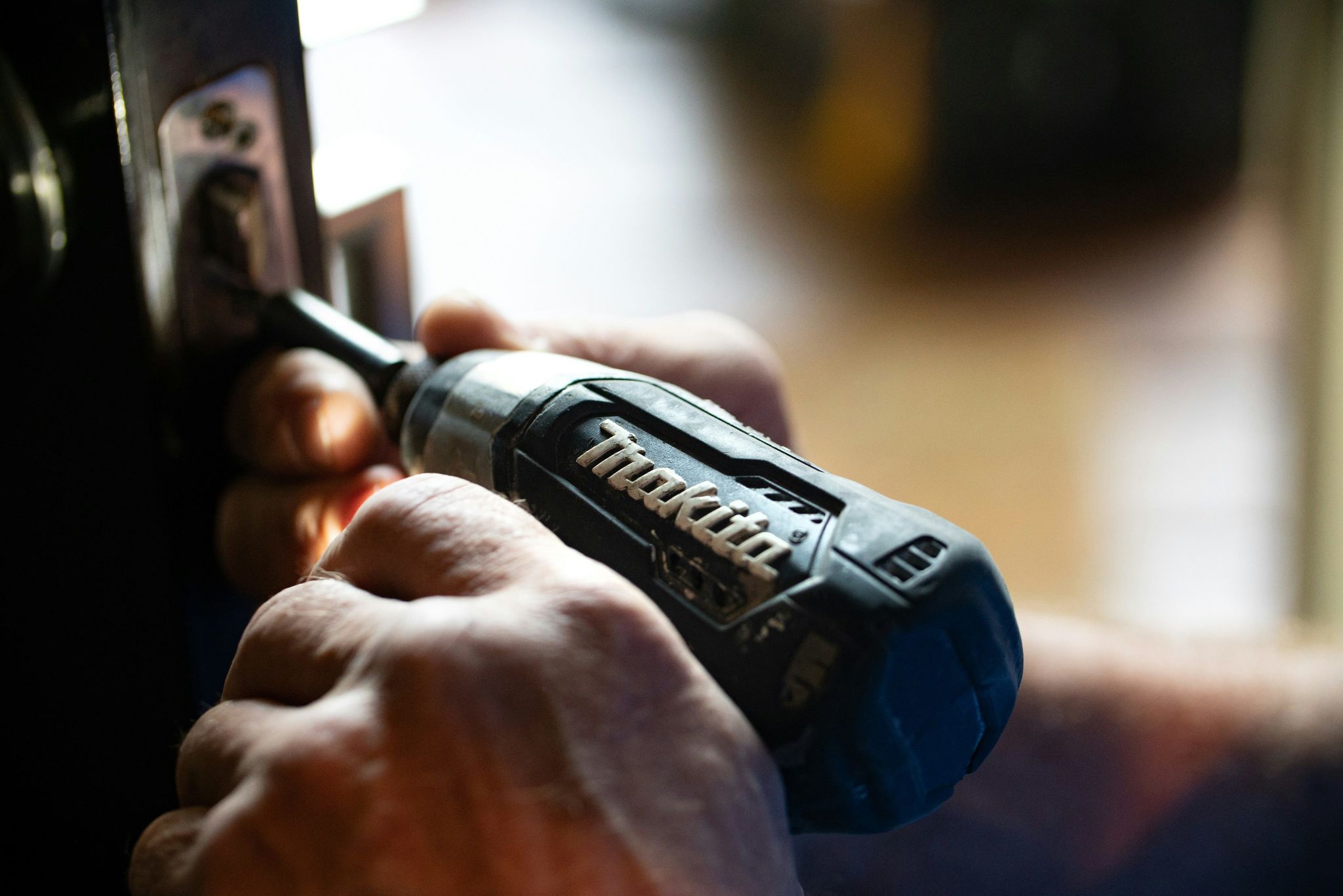
Your Responsibility: Maintenance and Routine Repairs
Here's where a lot of homeowners get into trouble — and it's completely understandable, especially if you're a first-time buyer coming from an apartment where the landlord handled everything.
Neither homeowner's insurance nor a home warranty is designed to cover the cost of simply maintaining your home. That's your responsibility as the owner, and it's a real one.
Routine maintenance isn't glamorous, but it's the foundation of everything else. It keeps small problems from becoming expensive ones. It keeps your systems running efficiently. And perhaps most importantly, it's often a requirement for your insurance and warranty coverage to remain valid.
Here's a practical way to think about it: if something breaks down because it got old and wore out, that's a warranty situation. If something is destroyed by a sudden disaster, that's an insurance situation. But if something fails because it wasn't taken care of, that's on the homeowner.
Some of the maintenance tasks that fall squarely in the homeowner's court:
Changing HVAC filters regularly — typically every one to three months depending on your system and household. Cleaning gutters and downspouts to prevent water from backing up and damaging your roof or foundation. Caulking around windows, doors, and in bathrooms to prevent water intrusion. Servicing your HVAC system once or twice a year with a professional tune-up. Trimming trees and shrubs that could fall on or damage your home. Checking your roof periodically for missing or damaged shingles. Testing smoke detectors and carbon monoxide detectors. Flushing your water heater annually to remove sediment buildup.
None of these are terribly expensive on their own. What's expensive is skipping them for years and then facing a major failure that could have been prevented — or worse, finding out that the failure isn't covered because it was preventable.

When They Work Together
Sometimes a situation involves both. Imagine a severe thunderstorm rolls through East Texas and a large branch falls on your roof, creating an opening. Rain gets in and water damages your attic insulation, your ceiling, and eventually makes its way down to your electrical panel, which shorts out.
The structural roof damage from the fallen tree? That's likely a homeowner's insurance claim — a sudden, accidental event caused by a covered peril.
The electrical panel that shorted out from the water damage? Depending on the circumstances, your home warranty might cover the panel repair once the immediate damage is addressed — or it might be part of the larger insurance claim if the water intrusion is what caused it.
This is also why it pays to read both your insurance policy and your warranty contract carefully, and to ask questions when you're not sure. When there's overlap or ambiguity, an insurance adjuster and your warranty company may need to coordinate. Having a good agent you trust makes that process a lot smoother.

Making the Most of Both
A few thoughts on getting the most out of your protection:
Know your deductible. Your homeowner's insurance deductible is the amount you pay out of pocket before your coverage kicks in. If your deductible is $2,500, filing a claim for $1,800 in damage doesn't make financial sense — and filing too many small claims can affect your premiums.
Keep records. Document your home's systems and appliances — age, model numbers, service history. This helps enormously when you're filing either an insurance claim or a warranty claim.
Don't let maintenance slide. It's the one thing that protects both your insurance coverage and your warranty coverage, and it protects your home's value over the long haul.
Review your coverage annually. Your home's value changes. Your possessions change. Life changes. An annual review of your homeowner's policy ensures you're not underinsured — a common and costly problem.

The Bottom Line
Homeowner's insurance and a home warranty are both valuable tools, but they serve very different purposes. Insurance is your safety net against the unexpected — the storms, the fires, the accidents. A home warranty is your safety net against the inevitable — the systems and appliances that will eventually wear out simply because they've been doing their job for years.
Neither one replaces the most important protection of all, which is your own attention and care as a homeowner. The homes that hold their value, stay comfortable, and cause the fewest headaches are the ones that are loved and maintained.
If you ever have questions about coverage as it relates to a home you're buying or selling, don't hesitate to reach out. It's one of those topics that matters a lot more than most people realize — until the moment they really need it.
Check out this article next