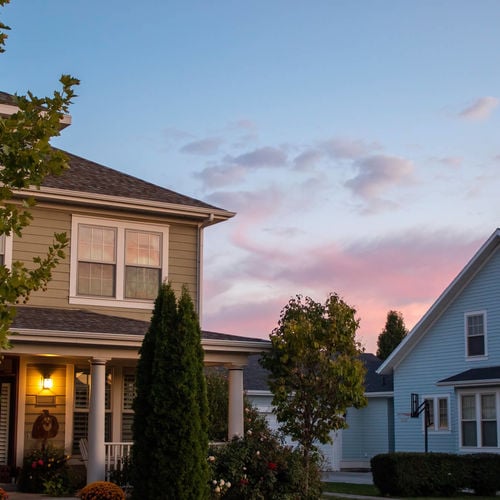



There is a particular kind of investment opportunity that doesn't announce itself loudly. It doesn't make the national news cycle or generate breathless headlines. It simply sits there — grounded, affordable, and quietly outperforming — while the rest of the market chases the next overheated metro.
East Texas real estate is that opportunity. And right now, the conditions that have always made this region a strong long-term investment are converging with a market correction that has created an entry point rarely seen in recent years.
This is the case for investing in East Texas — not just for today, but for the long haul.
Why Texas, and Why East Texas Specifically
Texas has been one of the strongest long-term real estate markets in the country for decades, and the fundamentals driving that strength are structural, not cyclical. Over the past five years alone, Texas absorbed nearly 25% of all U.S. population growth — a staggering number that represents real demand for housing, not speculative momentum. People are moving here for jobs, affordability, quality of life, and a business environment that continues to attract employers at every scale.
For most of the last decade, that demand piled into Austin, Dallas, Houston, and San Antonio. Those markets appreciated dramatically — and in many cases, priced out the very people who drove their economies. The result is what we're seeing now: investors with smaller budgets and tighter margins getting squeezed out of metros where entry costs have ballooned and cap rates have compressed to near-irrelevance.
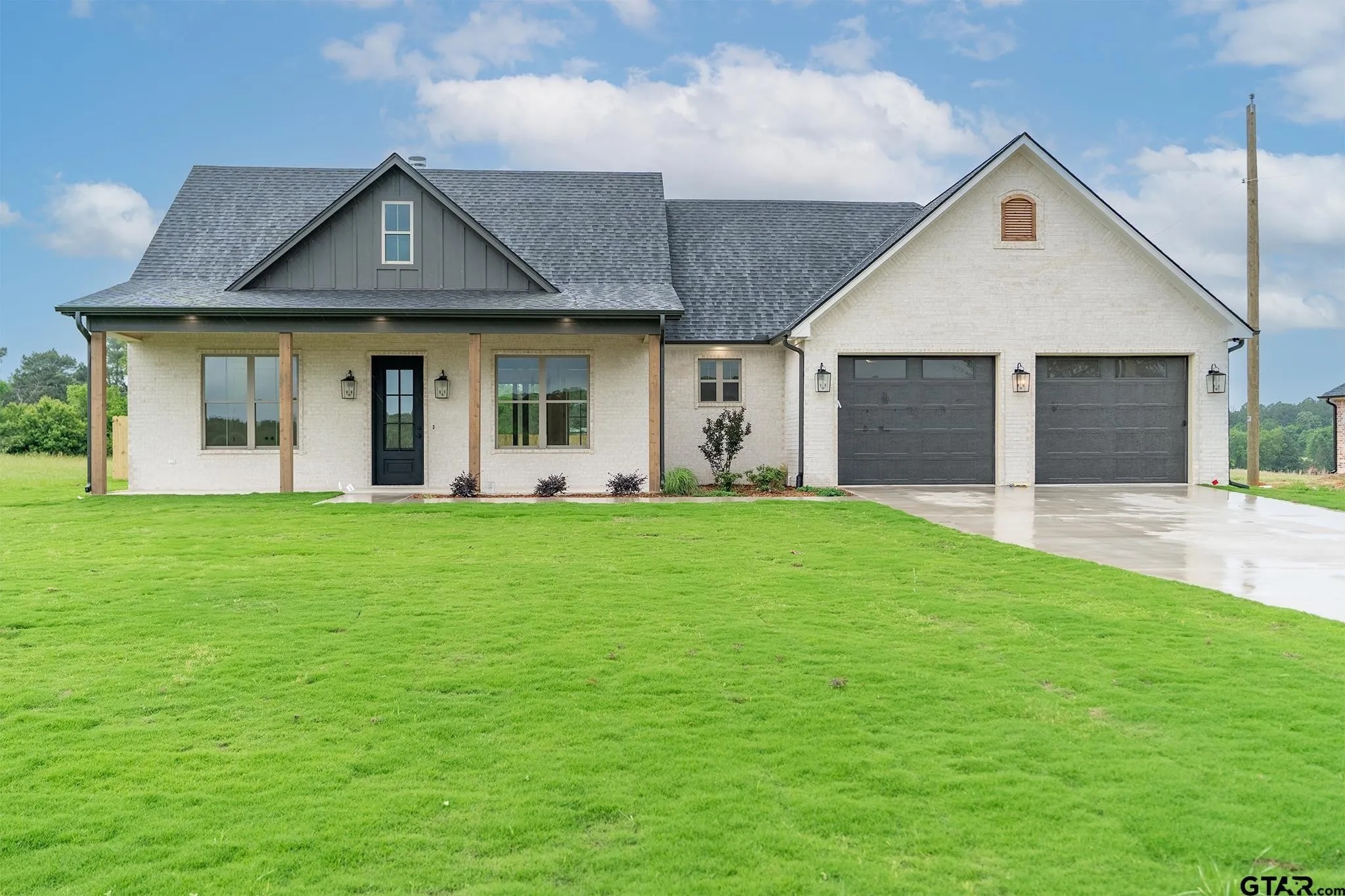
East Texas offers something those markets have largely lost: affordability that is real, not relative. A $300,000–$350,000 budget in Tyler or Longview gets you a quality home in a desirable neighborhood. In Austin, it barely covers a down payment. That gap is not a quirk. It is the fundamental investment thesis — and it holds whether the national market is up, down, or sideways.
There is also something specific to the current moment worth understanding. East Texas markets saw modest price softening from their 2022–2023 peaks, even as the underlying demand story remained intact. That correction, combined with motivated sellers and more negotiating room than has existed in years, creates an entry point that patient investors have been waiting for. The long-term case for East Texas doesn't depend on this window — but the window makes the case stronger right now.
What Your Investment Dollar Buys Here
The price difference between East Texas and the major metros is not a small gap. It is a chasm — and for investors, that chasm represents opportunity at every level of the investment equation: lower entry costs, better cash flow margins, manageable carrying costs, and a buyer or renter pool that is motivated by genuine affordability rather than speculation.
Consider the property tax difference alone. A $400,000 Dallas-area property carrying a 2.5% tax rate costs roughly $10,000 per year in taxes. A comparable property in East Texas at a 1.2–1.3% rate might cost $3,500–$4,500. That difference of $5,000–$6,000 per year flows directly to your bottom line — every single year you hold the asset. Over a ten-year hold, that is $50,000–$60,000 in carrying cost savings before you've considered appreciation, rent, or any other return metric.
For rental investors, the math is equally favorable. East Texas rents, while lower in absolute terms than the metros, are strong relative to purchase prices — meaning cash flow ratios that metro investors increasingly struggle to find. A well-maintained single-family rental in the $150,000–$250,000 range in Longview, Nacogdoches, or Lufkin can generate meaningful monthly cash flow in a way that comparable metro properties simply cannot. The cost of living across East Texas runs approximately 6–8% below the national average, which means your tenants' dollars stretch further here too — supporting stable occupancy and on-time rent.
The Communities: Understanding the Markets Within the Market
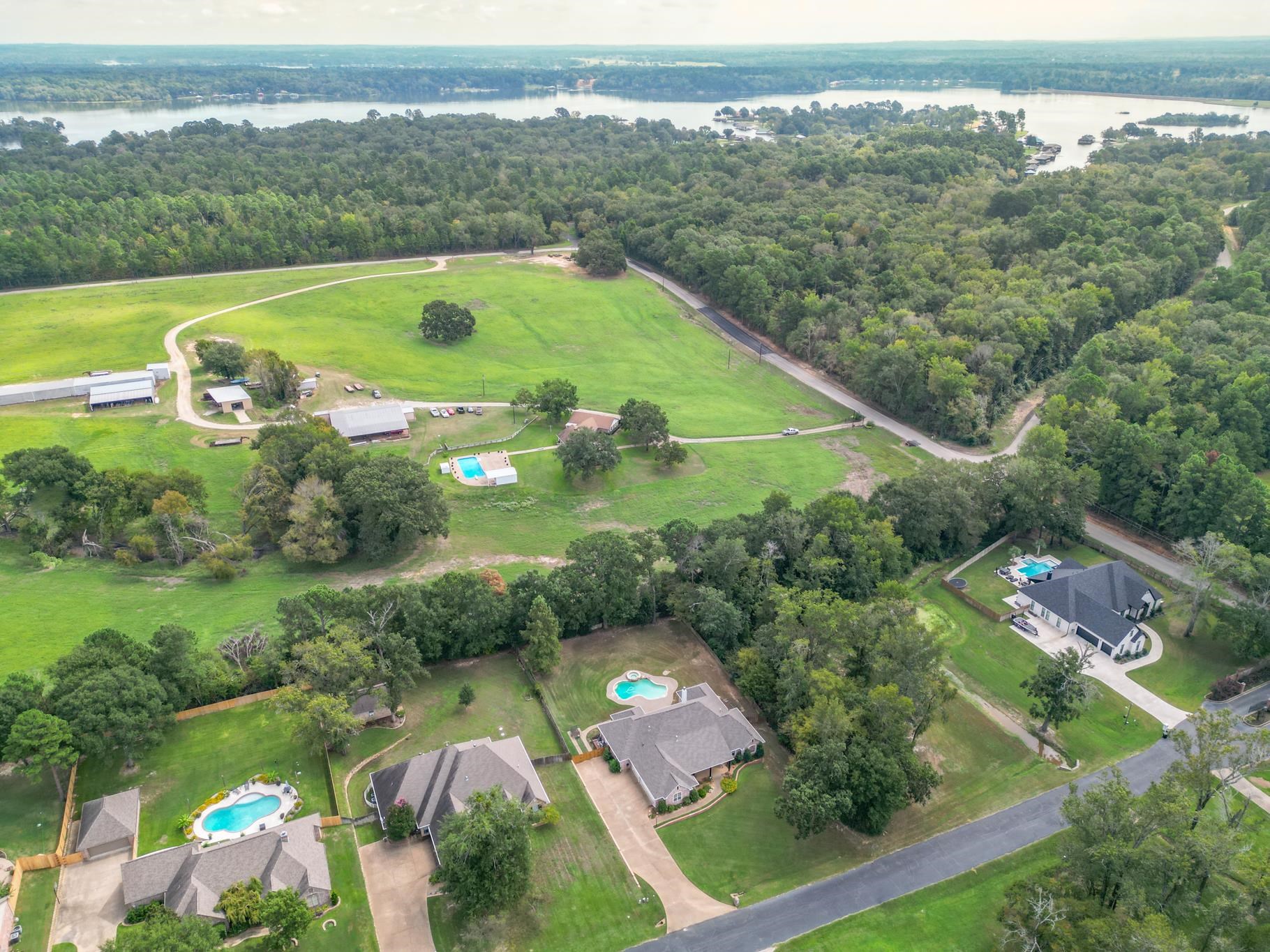
East Texas is not one market. It is a collection of distinct communities, each with its own economic drivers, demographic profile, and investment characteristics. Understanding those differences is what separates a good investment from a great one.
Tyler is the economic and commercial anchor of East Texas. Home to UT Health East Texas and the University of Texas at Tyler, CHRISTUS Trinity Mother Francis Hospitals and Tyler Junior College, as well as a growing concentration of medical, professional, and retail employers, Tyler draws a steady stream of people relocating from larger metros who want affordability without sacrificing quality of life. The Tyler real estate market is the most active and most liquid in the region, making it the strongest all-around option for long-term rentals, new construction investment, and portfolio building. Entry prices in Tyler have been running higher than many other East Texas markets — well-appointed homes in desirable areas regularly exceed $400,000–$500,000 — which reflects the quality of life, school districts, and amenities the city offers. However, there is room across price points here for every type of investor.
Longview is a quietly strong performer. Anchored by a stable industrial and energy sector workforce, it offers consistent economic activity and some of the most compelling entry points for rental property in the region. Longview has been one of the better recent appreciation stories in East Texas — up meaningfully year-over-year — at price points that still allow strong cash flow math. For investors who want solid fundamentals without Tyler's higher entry costs, Longview deserves serious attention.
Bullard and Flint represent the growth corridors south of Tyler. Highly rated schools, beautiful surroundings, and sustained demand from people relocating out of metro areas have driven new construction activity here that shows no signs of slowing. Entry before these communities fully build out is where the opportunity lies. For investors watching path-of-growth development, Bullard and Flint are the most compelling corridor play in the region.
Nacogdoches is home to Stephen F. Austin State University, and that anchor creates a perennial sweet spot for rental investment. Student housing, faculty and staff rentals, and long-term residential demand from a stable permanent population keep occupancy rates steady and entry prices among the most accessible in the region. Nacogdoches is particularly well-suited for first-time investors who want strong cash flow math with manageable complexity.
Lufkin is arguably the most underappreciated investment market in East Texas. A strong healthcare presence anchored by CHI St. Luke's Health Memorial, a stable working population, and affordable single-family homes that cash flow well — all with considerably less investor competition than Tyler or Longview. The Lufkin opportunity is real, and it largely hasn't been discovered yet by the outside investment community.
Palestine is the most overlooked gem in this entire region. Historic downtown character, proximity to Lake Palestine, and prices that simply haven't caught up to the broader East Texas appreciation trend create genuine early-mover advantage. For investors willing to look a little further east and think a little further ahead, Palestine offers the kind of entry point in a solid, stable community that Tyler offered a decade ago.
Beyond the towns themselves, East Texas lake country deserves its own mention. Lake Palestine, Lake Tyler, Lake Fork, and Lake Cypress Springs all sit within a region that has seen growing vacation rental demand. East Texas lakefront and lake-adjacent property remain dramatically underpriced compared to comparable properties anywhere else in Texas — and the combination of short-term rental income and long-term land appreciation makes it a genuinely differentiated investment category.
Investment Strategies That Work in East Texas
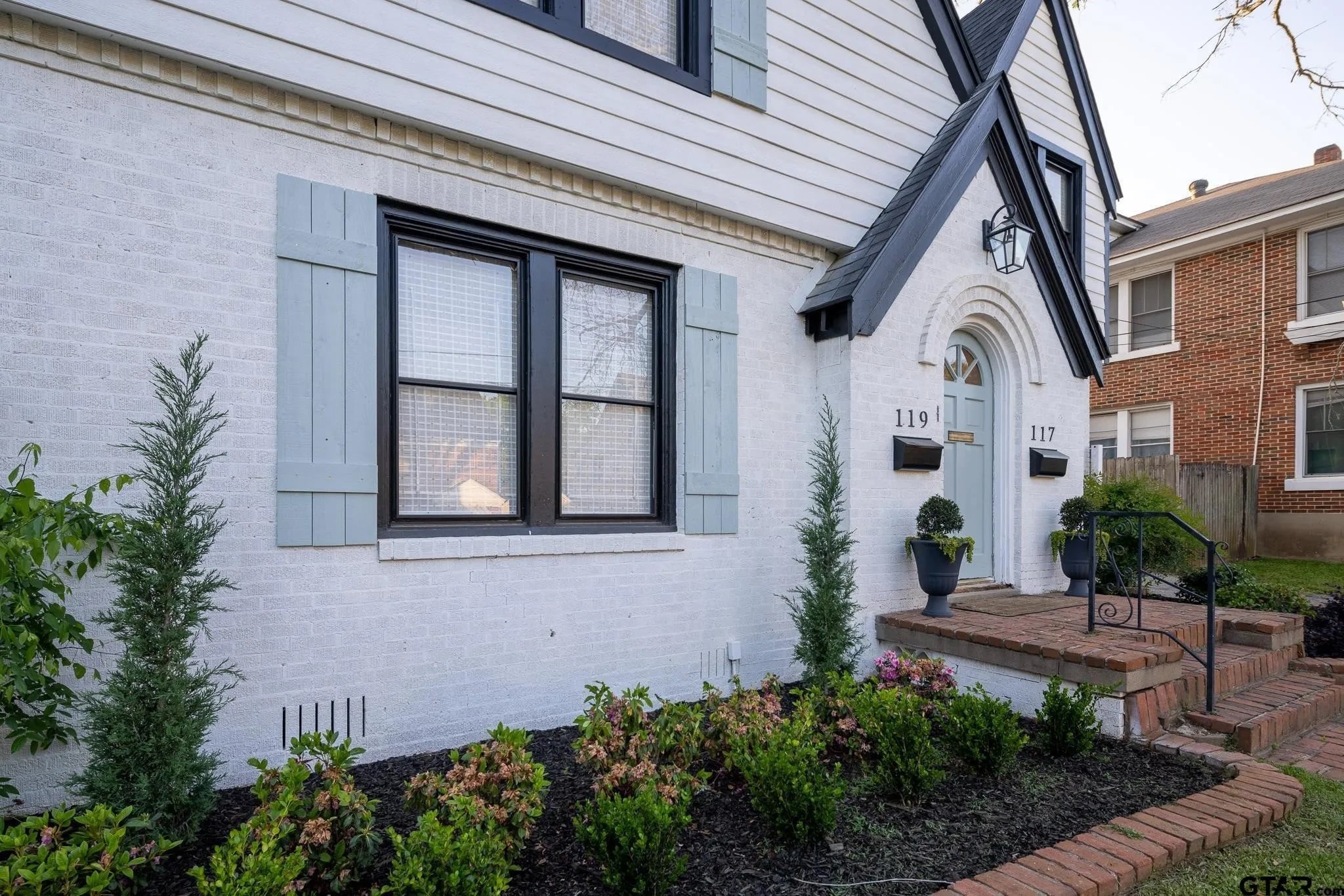
East Texas rewards multiple investment approaches, but not all strategies are equally suited to every community or price point. Here is an honest look at what works, what the opportunity looks like, and what you need to know before you commit.
Long-term rentals are the steadiest and most accessible strategy in East Texas. The region has a deep, stable tenant pool driven by the same employment anchors — hospitals, universities, industrial employers, and the full range of businesses that support a functioning regional economy — that make East Texas resilient through market cycles. Well-maintained single-family rentals can generate solid monthly cash flow with manageable vacancy rates, particularly in Tyler, Longview, Nacogdoches, and Lufkin. The proximity to UT Tyler, Tyler Junior College, Stephen F. Austin State University, and LeTourneau University creates additional demand that provides an extra layer of stability even during slower periods in the broader market.
Fix and flip has become a more viable strategy in the current market than it has been in several years. With motivated sellers, properties sitting on the market longer, and prices softened from their recent peaks, investors who understand the local comps with the help of an experienced REALTOR can identify and acquire under-market properties, renovate efficiently, and sell into a buyer pool that remains active and price-sensitive. The critical word here is local. Knowing which neighborhoods move, which price points attract buyers quickly, and what the East Texas buyer actually responds to — that knowledge is not available on a national real estate platform like Homes.com or Realtor.com. It comes from being in the market and working with people who are. This is where knowledgeable local representation becomes not just helpful but essential.
New construction is producing strong results in the growth corridors around Tyler, Bullard, Flint, and Whitehouse, where demand from people relocating out of the metros has been sustained and consistent. New builds in East Texas run significantly below the per-square-foot cost of comparable construction in DFW or Houston suburbs, while the end buyer expectation — space, quality finishes, good school districts, room to breathe — remains strong and willing to pay for value. For investors, partnerships with local builders or strategic land acquisition in path-of-growth areas represent substantial upside over a 3–7-year horizon.
Land and rural property remain one of the most undervalued and misunderstood asset classes in East Texas. Timber land, recreational acreage, agricultural property, and development-path parcels all have different investment profiles, but they share a common characteristic: long-term appreciation and intrinsic value that is not subject to the same cycles that drive residential markets. East Texas land offers something increasingly rare in Texas investment real estate — the ability to hold a meaningful, appreciating asset without the carrying costs, tenant management, or market timing pressures that come with improved properties. For investors with patience and a long-time horizon, it is a category worth serious consideration.
The Convergence: Why Now and Why This Region
The timeless case for East Texas investment does not depend on any particular year or market cycle. Affordability relative to major Texas metros, a diversifying and growing regional economy, major institutional anchors in healthcare and higher education, and a quality of life that continues to draw people from larger and more expensive markets — these are durable characteristics that will define this region for decades.
What makes the current moment particularly compelling is that all of those fundamentals are intact and the market has created an unusually favorable entry point. Prices have softened from their peaks. Sellers are more motivated and more flexible on terms than they have been in years. Interest rates, while still elevated compared to the historic lows of 2021, are trending downward — improving cash flow calculations on rental properties and expanding the pool of qualified end buyers for construction and flip projects.
Texas population migration has not reversed. The demand for affordable, high-quality housing in East Texas is not speculative — it is driven by real people making real decisions to move here from places where the cost of living has become untenable. That demand doesn't disappear when the market softens. In many ways, it strengthens, because affordability becomes even more important when budgets tighten.
And East Texas has not yet experienced the wave of institutional investor attention that compressed margins and drove up prices in Austin, Dallas, and Houston. The discovery of this region by outside capital is a matter of when, not if. The investors who move before that moment are the ones who will benefit most from it.
A Final Word
The best investment decisions are rarely the ones that feel the most exciting. They are the ones grounded in fundamentals that hold up over time — in communities where people genuinely want to live, where the economy is real and diversified, and where the price you pay today reflects value rather than hype.
East Texas checks every one of those boxes. It has for years. What is different right now is the entry point — and those don't last forever.
If you are curious about what the numbers look like for a specific strategy, a specific community, or a specific type of property, I am happy to walk through it with you. This region is where I work, where I know the market, and where I help investors find opportunities that the broad market hasn't priced in yet.
Let's talk.
Check out this article next