



In a recent post, I talked about home warranties and homeowner's insurance — and I introduced the concept of deferred maintenance. [See https://wanarealtor.com/your-home-your-coverage-a-guide-to-warranties-and-homeowners-insurance/ ]. To recap: deferred maintenance is the accumulation of repairs and upkeep tasks that a homeowner keeps putting off. Insurance companies don't cover it, home warranties don't either, and when it comes time to sell, it shows up fast — in the inspection report, in the buyer's repair requests, and ultimately in your bottom line.
Today I want to flip that around and talk about the solution. How do you avoid deferring maintenance in the first place? The answer is simpler than most people think: a realistic schedule, a short list of what to watch, and the habit of treating your home like the investment it is.
Why Deferred Maintenance Happens
It's rarely laziness. Life gets busy. You notice the caulk around the tub is cracking, you make a mental note, and three years go by. The HVAC filter you meant to change in January is still there in October. The gutters got cleaned once when you moved in and haven't been touched since.
The problem is that small, inexpensive problems almost always become large, expensive ones. A slow roof leak that would have cost a few hundred dollars to re-flash turns into rotted decking and a five-figure repair. A clogged dryer vent that takes twenty minutes to clean becomes a possible house fire. A small crack in a foundation wall, left unchecked, invites water damage that compromises structural integrity.
The antidote is a calendar, not a contractor — at least not yet.
The Simple Framework: Think in Seasons
Rather than a single annual to-do list, the most effective approach is to divide home maintenance into four seasonal check-ins. Each one takes a few hours at most. Here's what to cover in each.

Spring (March – April)
Spring is your post-winter assessment. East Texas winters are mild by national standards, but we still get freezes, ice events, and heavy rain that can take a toll. Walk your property with fresh eyes and look for what the winter left behind.
Roof and Attic. Look for missing, curling, or cracked shingles. Check the flashing around chimneys, vents, and skylights. Inside, peek in the attic for any signs of moisture intrusion — staining on the decking or insulation that looks wet or compressed is a red flag. You don't need to get on the roof yourself; binoculars from the yard work fine, and a roofer will do a visual inspection for free or low cost.
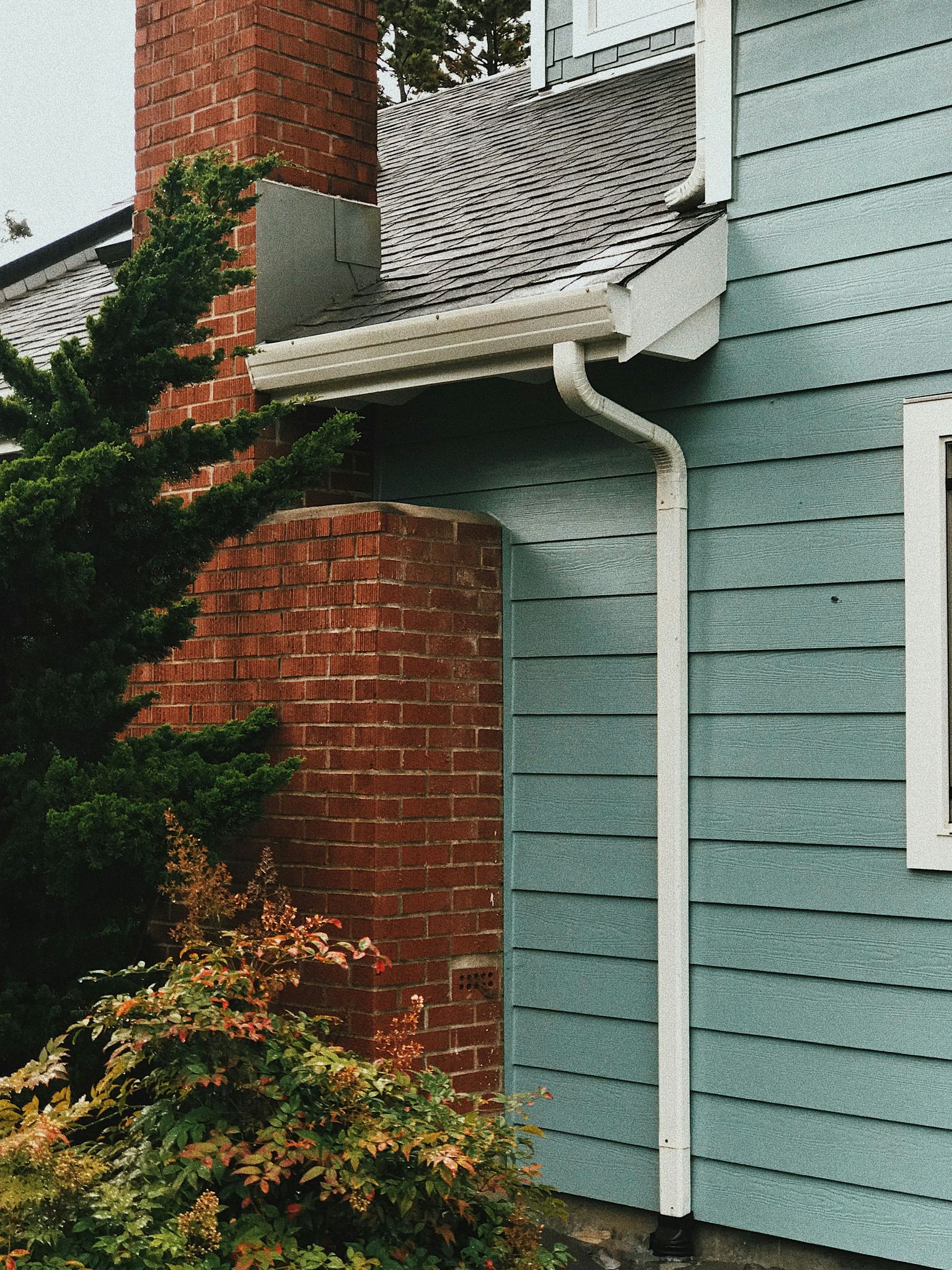
Gutters and Downspouts. Clean out leaves and debris from fall and winter. Check that downspouts are directing water at least four to six feet away from the foundation. Gutters that drain against your foundation are one of the most common causes of costly moisture problems.
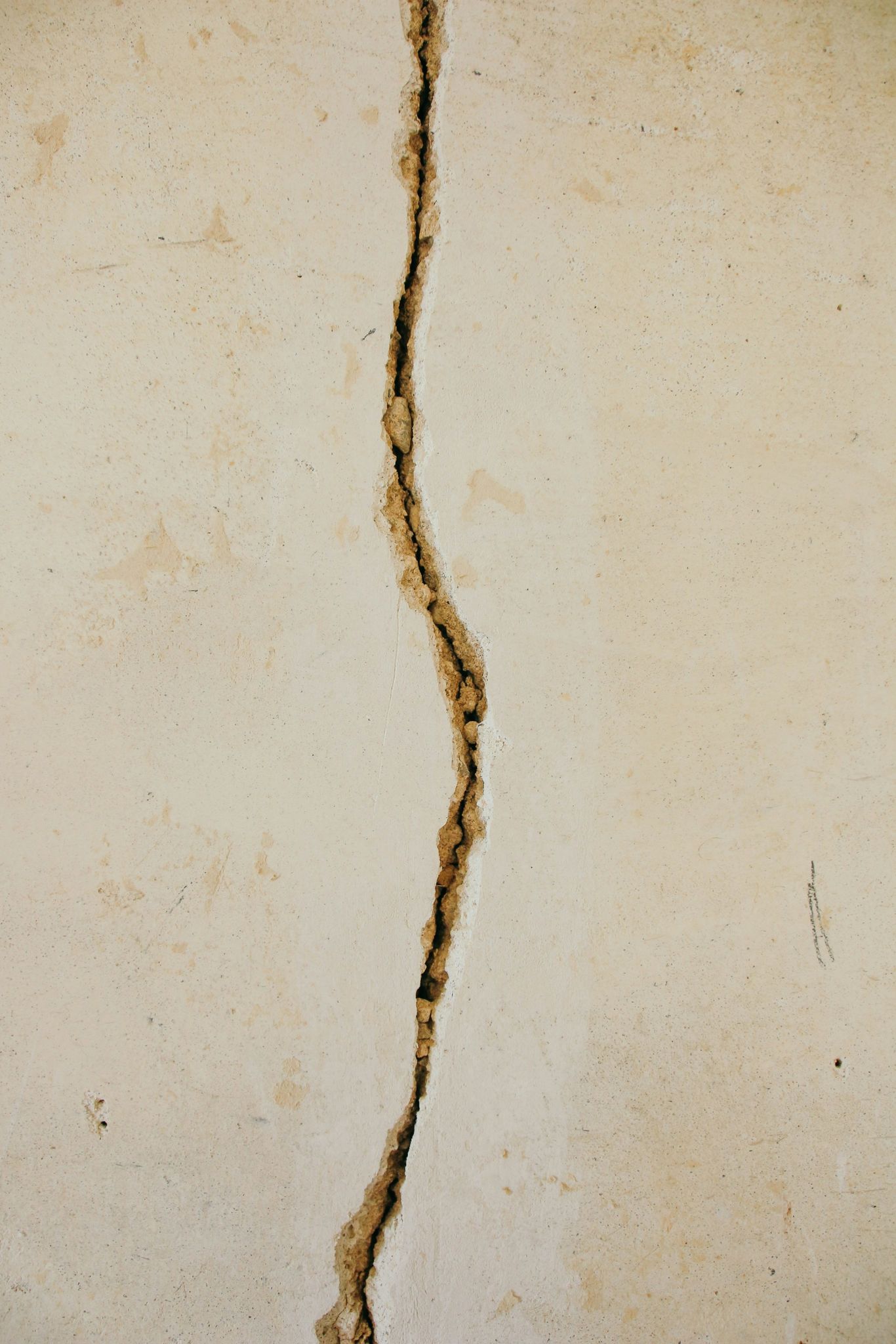
Foundation. Walk the perimeter of your home and look for new cracks in the brick, mortar, or visible concrete. In East Texas, expansive clay soil means foundation movement is common — minor hairline cracks can be normal, but horizontal cracks, stair-step cracks in brick, or cracks wider than a quarter-inch warrant a call to a foundation specialist.
HVAC. Before the heat of summer arrives, schedule your annual AC service. Change the filter if you haven't done so recently and clear any debris from around the outside condenser unit. This is also a good time to test your thermostat and make sure the system is cooling as expected.
Windows and Doors. Check weatherstripping and caulking around all exterior windows and doors. Failed seals drive up energy bills and let moisture in. Replacing a door's weatherstripping costs a few dollars and fifteen minutes.
Exterior Paint and Wood. Look for peeling paint, soft or rotted wood trim, and gaps where caulking has pulled away. Wood that is exposed to moisture will deteriorate quickly in our East Texas humidity.

Summer (June – July)
Summer maintenance is mostly about protecting what's already there and keeping up with the demands of heat and heavy rain season.
Plumbing. Check under sinks, around toilets, and near the water heater for any signs of slow leaks. A slow drip under a cabinet can go unnoticed for months and cause significant water damage and mold. While you're at it, test your water heater's pressure relief valve if it is more than a couple of years old.
Lawn and Drainage. Walk your yard after a heavy rain and look for areas where water pools near the home. Positive drainage — where the ground slopes away from the foundation — is critical. Fill in low spots and consider adding soil or grading if you see standing water within ten feet of the house.
Vents and Screens. Check dryer vents, bathroom exhaust vents, and kitchen range hoods to make sure they are clear and properly venting to the outside. A clogged dryer vent is one of the leading causes of residential fires. Inspect window and door screens while you're at it.
Pest Prevention. Summer is prime season for termites, ants, and other pests in East Texas. Inspect the perimeter of your home for mud tubes along the foundation (a sign of termites), gaps around utility penetrations, or rotted wood that could be an entry point. If you don't have a pest control plan, this is the time to establish one.
Fall (September – October)
Fall is your preparation season — getting ready for colder weather and wrapping up anything you noticed over the summer.
Heating System. Just as you serviced the AC in spring, have your heating system checked before you need it. Replace filters, test the furnace or heat pump, and if you have a fireplace or gas logs, have the flue inspected and cleaned. A blocked or damaged chimney flue is a carbon monoxide and fire hazard.
Gutters — Again. In East Texas, fall brings leaves and debris from pine trees and hardwoods. Clean gutters again in late October or November after most leaves have fallen.
Caulking and Sealing. Recheck the caulking around tubs, showers, and kitchen counters. Water that penetrates old or cracked caulk leads to mold, mildew, and rot that can be expensive to remediate.
Exterior Faucets. If temperatures are expected to drop below freezing, disconnect garden hoses and make sure you know where your exterior shut-off valves are. Burst pipes are the most common and most preventable cold-weather damage claim in homes.
Smoke and Carbon Monoxide Detectors. Test every detector in the home and replace batteries. This takes about ten minutes and is genuinely lifesaving. Replace any detector that is more than ten years old — they lose sensitivity over time even when the battery works.
Winter (December – January)
Winter is a good time for the interior tasks that are easy to overlook.
Water Heater. Flush sediment from the water heater tank once a year. Sediment buildup reduces efficiency and shortens the life of the unit. This is a simple DIY task — attach a garden hose to the drain valve, run it outside or to a floor drain, and flush for a few minutes.
Cabinet Interiors and Under-Sink Areas. Check for moisture, soft spots, or signs of leakage. Look at the supply lines to toilets and under all sinks — these braided lines should be replaced every five to seven years regardless of whether they look fine, because they can fail suddenly.
Garage Door. Test the auto-reverse function by placing a two-by-four flat on the ground under the door and triggering it to close. It should reverse on contact. Lubricate the rollers, hinges, and springs with a garage door lubricant.
Electrical. If you notice frequently tripping breakers, flickering lights, outlets that don't work, or any burning smell, call a licensed electrician. Electrical issues are not a DIY category for most homeowners, and they are a leading cause of house fires.

The Tasks That Are Easy to Forget — But Shouldn't Be
A few items don't fit neatly into a season but deserve a dedicated note:
HVAC Filters. Change them every one to three months depending on your system and whether you have pets. This is the single easiest and most impactful thing most homeowners can do for air quality, system efficiency, and equipment longevity.
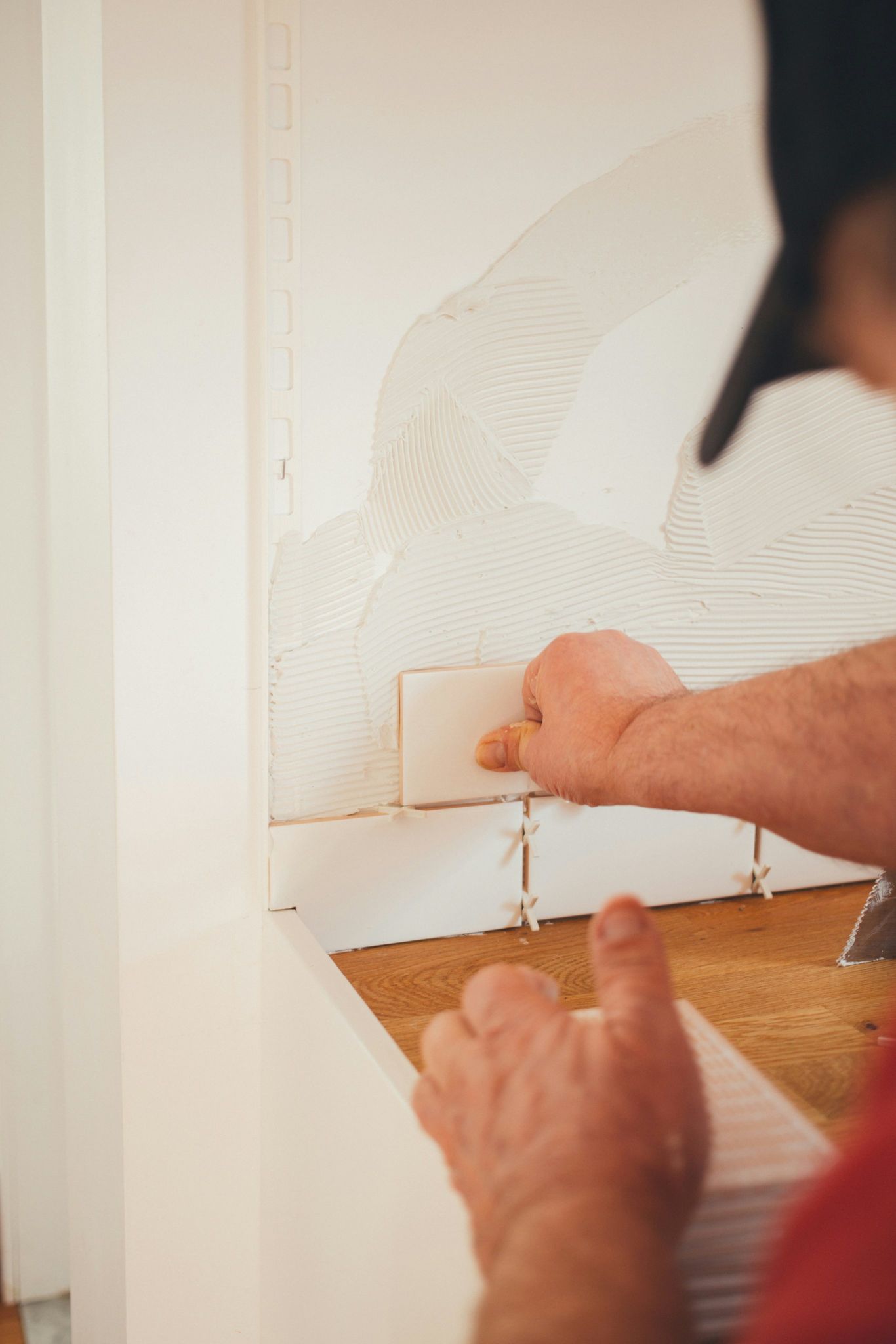
Grout and Tile. Cracked or missing grout in showers and around tubs allows water to get behind tile and into subfloors and wall framing. Regrouting is an inexpensive DIY task that prevents very expensive structural repairs.
Attic Insulation and Ventilation. East Texas summers are brutal, and a poorly insulated or inadequately ventilated attic drives up your energy bills and can cause moisture problems. Have it assessed if you haven't in several years.
Tree Maintenance. Overhanging limbs that touch or hang over the roof can damage shingles, provide a highway for pests, and become a hazard in a storm. Have a licensed arborist or tree service trim them back every few years.
Sump Pumps. If your home has one, test it annually by pouring water into the pit until the pump kicks on. A sump pump that fails during a heavy rain event is a very bad discovery.

When It's Time to Sell
Here's the honest truth from someone who has worked with hundreds of buyers and sellers in East Texas: the homes that command the best prices and sail through inspections are not necessarily the newest or the most updated. They are the ones where the owner simply kept up with things.
A buyer's inspector will check every one of the items I've listed above. When they find a ten-year-old water heater with sediment and a failed anode rod, deferred roof maintenance, windows with failed seals, and a crawlspace with evidence of moisture — those items go on a repair request or get subtracted from the offer price, often at a premium. Buyers price in risk.
But when an inspector walks through a home and finds fresh caulking, a recently serviced HVAC, clean gutters, and no deferred items — that confidence translates directly to a smoother transaction and more money in your pocket.
You don't have to do everything yourself. You simply have to do it — or hire someone to. A seasonal maintenance budget of even a few hundred dollars a year will save you many thousands when it matters most.

A Final Word
Your home is likely your largest single asset. Treat it accordingly. Put a recurring reminder on your phone for the first weekend of each season. Walk through this list. Call the HVAC company before everyone else does in April. Clear those gutters in November. Fix the caulk before the water gets behind the tile.
When you're ready to make your next move — whether that's upsizing, downsizing, or cashing out equity you've worked hard to build — you'll want your home to be your strongest asset, not a liability. A little maintenance, done consistently, makes all the difference.
As always, if you have questions about your home's value, your neighborhood's market, or what buyers in East Texas are looking for right now, I'm just a call or text away.
Check out this article next